
What Does It Mean to Move with Your Body Instead Of Against It?
Have you ever gone to group workout or had a session with a personal trainer where the goal was to push harder?
Do more reps, lift more weight, get stronger, get faster. The fitness industry (which, at this point, encompasses a pretty broad swath), has all of these ideas about what you need to do in order to be more fit, but no advice on how to actually achieve these goals in a sustainable way.
And, on top of it, this well intentioned advice pits you against your body, as though the physical construct of you is something that needs to be conquered, another aspect of life where domination reigns supreme.
If you have ever trained to manage people (or even interact with people), you know the domination tactic doesn’t actually work out that well. So if it doesn’t work well in the world of interpersonal communication, what are the chances it works well with the physical body?
The reality is aches and pains happen when you pit yourself against your body, forcing it to do things for the sake of doing the thing, rather than for the sake of seeing how easily you can do the thing.
Forcing movement, whether it’s a position or shape, another rep, or more effort might seem like a good idea. And the reality is no one really knows if it is or isn’t (current research shows the verdict is still out on whether lifting weights to failure is somehow more beneficial for building muscle versus having reserves left at the end of a session.
If you push until you have nothing left to give every workout, fatigue becomes like the shadow that won’t leave, hovering right behind you every time you work out.
When fatigue becomes persistent, it might add to whatever underlying stress you are already experiencing. Or it might not . Because here’s the thing about a lot of this stuff—we just don’t know.
But there’s a different question worth asking. What if instead of beating yourself up every single workout, there was another way? A way that supported strength, flexibility, and sustainability?
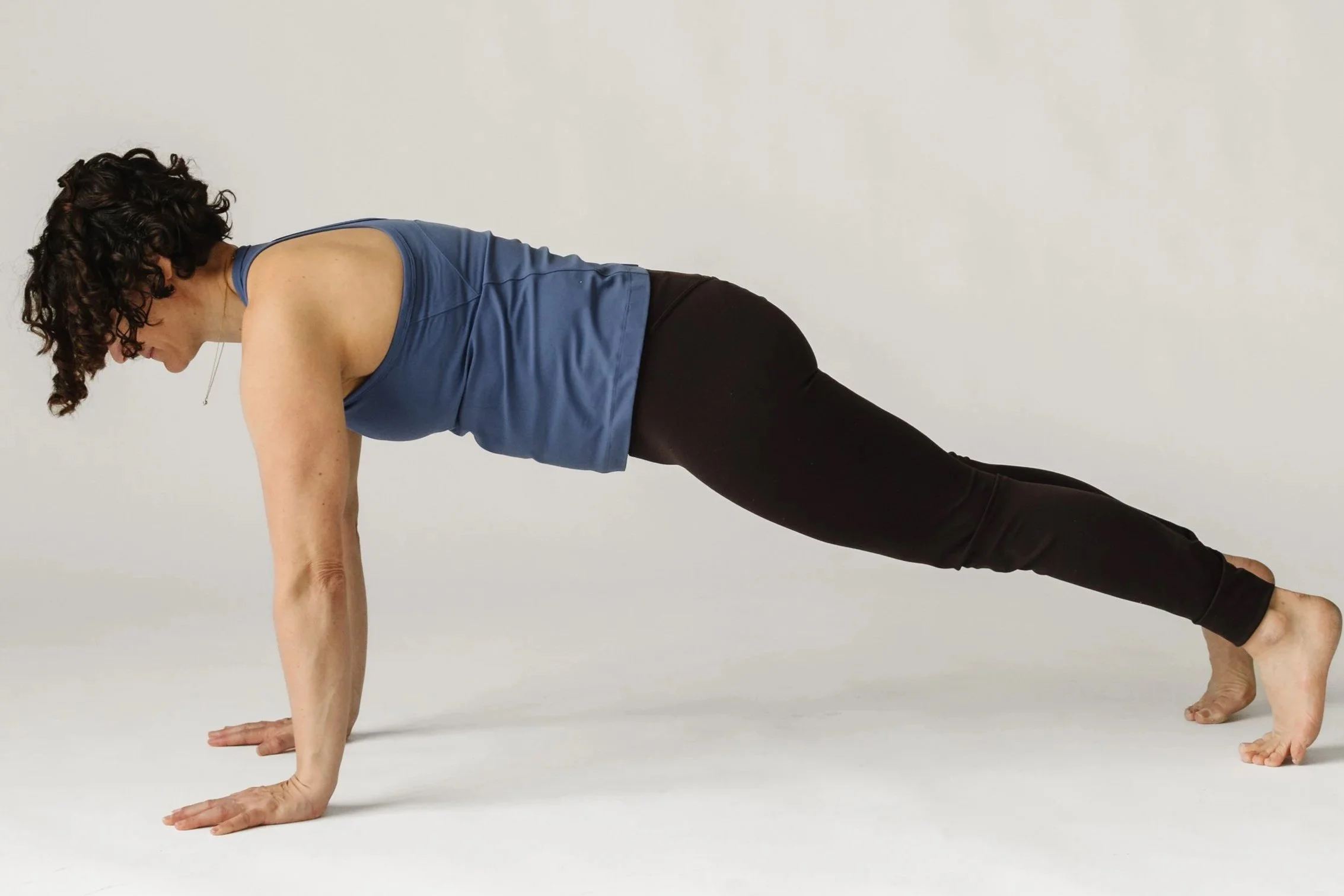
Attention is all you need
In 2017, a research paper written by Google researchers was published that changed the trajectory of AI. It was titled, “Attention is All You Need,” and it catapulted the ability of large language models to efficiently process language.
You can read the full paper here.
Prior to that seminal paper, language models were processing sequences word by word using something called Recurrent Neural Networks. This, as you can imagine, was slow. What researchers realized (and was the crux of this paper) was that if the machine could process all of the other words in a sequence rather than just a single word, the process was much faster. The ability for the machines to do this occurred because of self-attention.
When you move, your brain processes a lot of information so that you can do whatever it is you are trying to do. The efficiency of your movement is directly related to what you are paying attention to. If you are paying attention to doing more (more weight, more reps, more speed) the input of more will be at the expense of the input of how you are actually doing that thing.
When you focus on finding ways to move efficiently, you work with your body instead of against your body. Sometimes, the path to efficiency actually feels challenging—if you only know how to do one way to do something and you are asked to perform the action in a way that is different, you will be using different muscles, which creates sensation.
But if the new way you are doing the action is ultimately more efficient, it doesn’t actually take that long for the brain and the body to figure out how to do it. The sensation you experience the first time (which was probably pretty loud) gets quieter, and the action gets easier.
This concept is what will allow you to lift weights, run, jump, climb mountains, or do anything else that you want to do for as long as you want. It’s what enables you to say yes when your friend who is 20 years younger invites you to try the salsa dancing or rock climbing. It is the essence of sustainability.
And here is the thing—it doesn’t take hours upon hours to do. But it does require some focus and attention.
There are three variables that contribute to the timing, sequencing, and coordination of movement. Those three variables are how, what, and when. You can alter any of those inputs to create a different output.
Here’s what this looks like in practice (and you don’t need to be an athlete to do it)
Let’s say you are doing a workout that involves a burpee, that exercise people love to hate, probably because it’s hard and it’s usually thrown into a workout with the intention of making you tired. But what if there were a way to do a burpee that didn’t feel so miserable?*
The what you are doing is the burpee, a move that combines jumping into a push-up position, doing a push-up, jumping back into a squat, and jumping up.*
How you do the burpee can be explored a lot of different ways (I will offer an example of tinkering with the how in a second).
When refers to when you bend the elbows transfer weight or flex your feet during the movement.
*The burpee was invented by a New York City physiologist in the 1930s named Royal Huddleston Burpee Sr. He developed it for his Ph.D. thesis at Columbia university as a way to quickly and efficiently assess agility, coordination, and strength.
The burpee upgrade:
If you are interested in learning how to upgrade your burpee, try this:
Do a burpee.
The next time you do a burpee, think about pulling the inside and the outside of the ankle bone up as you squat down and place your hands to the floor.
Was that easier or harder?
If it was easier, think about pulling the inside and the outside of the ankle bones up when you bring your feet back to your hands as well. Keep them lifted as you jump up.
Was that easier or harder?
What if we change the perspective from the feet to the upper body?
Try this:
Do a burpee.
The next time you do a burpee, think about lifting the skin on the bottom of the forearms up as you take the hands to the floor.
Keep the skin lifting up as you push-up and jump the feet back to the hands.
Was that easier or harder?
I could easily spend 20 minutes exploring ways to make burpees feel easier. Here is the beauty of this approach—when you make something feel easier, it becomes less miserable and you end up doing more because (gasp!) it’s easier to talk to yourself into things that aren’t miserable than it is to talk yourself into things that you would be okay never, ever doing again.
This is true of every single exercise and movement that exists. Some people naturally find efficient pathways. Often, these are the people we think of as gifted athletes.
Then there’s the rest of us. We figure some things out pretty well, but in some respects, we are kind of like the old Recurrent Neural Networks—we process aspects of the movement slowly because we aren’t looking at how the system works together. Instead, we are letting the system fight against itself.
Changing this framework is like updating your movement network. And the cool thing about this is, unlike machines, your neural network is primed and ready at all stages of your life to learn. You don’t need chip upgrades or risk running out of capacity.
If you stop waging a battle with your body every time you workout, you will feel better. More connected. Things will hurt less. You will feel more balanced. More focused. It just requires the right input and a little attention.
Your body isn't the obstacle. It never was. When you learn to work with it — really with it, not just through it — movement stops feeling like something you have to push through and starts feeling like something you actually want to do. If you want to go deeper into this framework, Spinal Intelligence is where it all lives. Sign-up here to be notified when it’s released.
Jenn Pilotti, M.S., is a movement educator and coach with 24 years of experience working at the intersection of neuroscience, somatic movement, and physical fitness. She works with intelligent, high-performing people who want to build real strength, flexibility, and nervous system regulation — without the dogma. She is the author of Spinal Intelligence. Learn more at jennpilotti.com.