
You know that course you went to that told you all about how to assess internal and external rotation and how the fact that your foot could supinate while your ankle inverted was going to ruin your pelvic floor and your opposite side shoulder and the only way to fix it was through standing on one leg while creating a short foot and breathing into your right middle finger?
Or maybe you went to that course that taught you the importance of staying PERFECTLY STILL while you moved your left nostril around in a circle and created optimal intra-abdominal pressure and perfect pelvic floor symmetry through diaphragm positioning?
And maybe you brought these things back and you coached dragon breathing with your clients for the intra-abdominal pressure while they picked up a weight that weighed less than a bag of groceries and you had them warm up with the nostril circles while standing on one leg but they still couldn't balance confidently on their right leg or do a step-up without feeling irritation in their knee and their feet still feel stiff. You want to help them, but when you try to give them ALL OF THE INFORMATION by telling them to externally rotate the right shin while counter-nutating the pelvis and internally rotating the left humerus their eyes narrow, their breath becomes shallow, and their pinkie finger juts out into space as they attempt to channel all of their concentration and do what you ask.
You want to educate yourself because you know that knowledge is power and will help you help your clients, but you don't know how to find accessible information that is actionable, easy to implement, and effective.
This is why this mini-series exists. I went down the rabbit holes. I made everything way too complex before I realized that movement is actually quite simple if you know what you are trying to help someone do.
Rather than memorize the action of the foot or the femur or getting hung up on how many degrees something does or doesn't move, what happens if you stripped that away and instead looked at movement from the lens of how movement works, what influences movement, and how to easily create a change in someone's movement?
This doesn't mean isometrics, or strength, or flexibility get eliminated. These are hallmarks to awareness, general function, and well-being. It does mean they get reframed, that context matters, and that the coach needs a clear understanding of why they are choosing to use the words they are using.
That's why I created the Movement, Decoded mini-series. Three 90 minute workshops that explain how movement occurs at a certain area, what you are looking at, and how you can use your understanding of the area to use simple language to get the person in front of you to experience the movement differently. You aren't fixing anything. You aren't measuring how much something internally or externally rotates. You are simply offering an alternative experience based on foundational movement principles.
What we will cover:
Session 1—Dancing Feet: What happens when the feet stop dancing
The feet are the foundation for how you move from one place to another. They can also be a source of contention—people have feet that are tight, sore, or (gasp!) have been told that their feet are flat.
But how does the foot actually work, and what is the relationship between the foot and the shin, the foot and the hip, and the foot and the pelvis?
In this 90 minute session, we will cover:
The anatomy and function of the foot without using the words supinate and pronate
A case study based on an actual client of mine
An exercise breakdown from the perspective of the foot
A short exercise sequence so you can see how the concepts can be put into practice.
Session Date: Saturday, October 3 from 9:30AM-11:00AM PDT
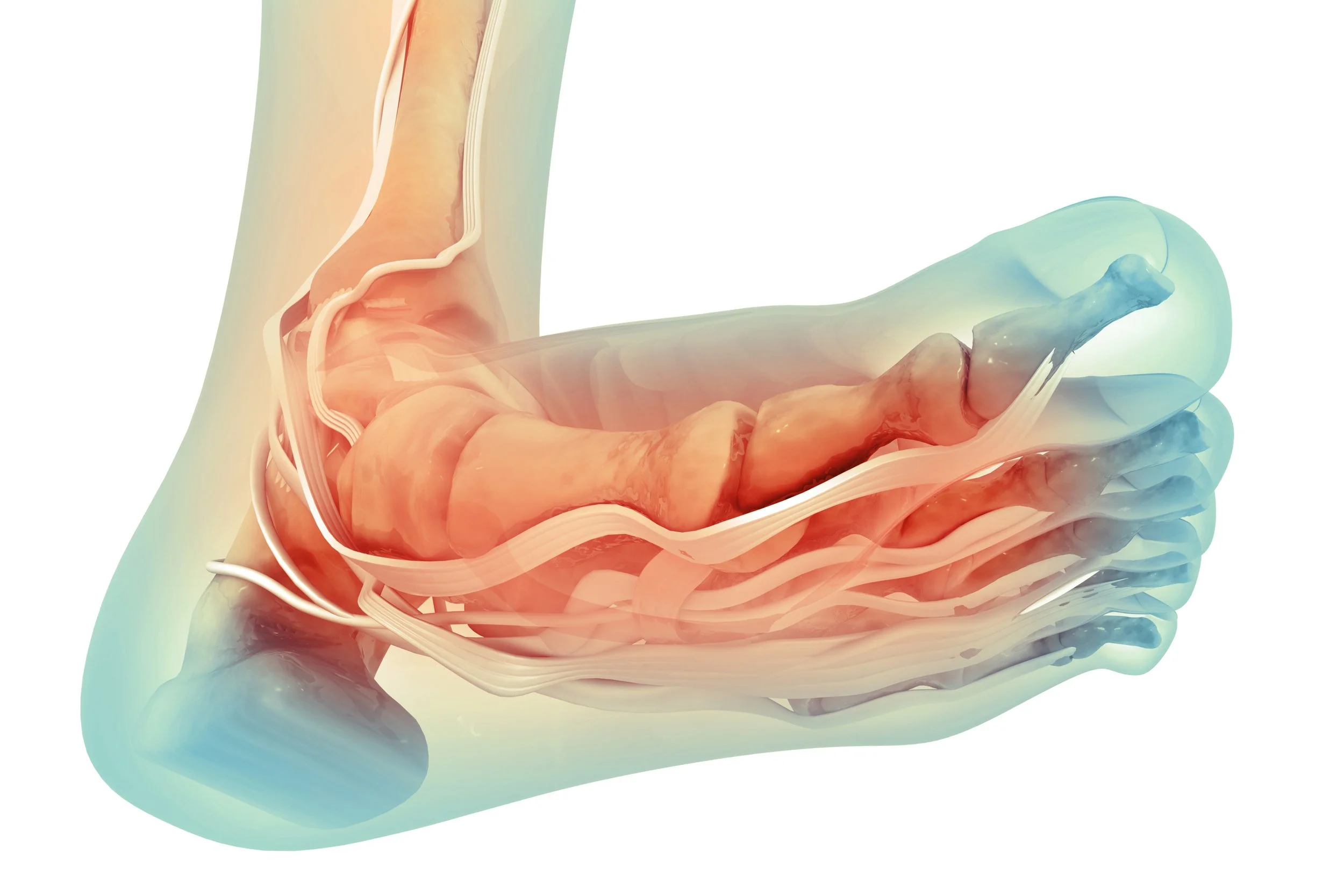
The feet are the most underestimated joint system in the body. We'll cover what they're actually built for, why the toes matter, and how the ankle's function echoes all the way up the chain. Incudes 22 page PDF Movement, Decoded: the feet
Date: October 3 from 11:00-12:30PDT (Recording available if you can’t attend live)
Session 2—The Hips Don't Lie (or do they?)
The hips are a powerhouse for movement. For some, they also feel perpetually tight or ouch-y, like there isn't space to do things like squat, lunge, or stretch.
The clients that feel like they are destined to be the tinman versus the cowardly lion can experience a dramatic shift with the right inputs.
In this 90 minute session, we will cover:
The anatomy and function of the hip without using the words internal and external rotation
A case study based on an actual client of mine
A flexibility exercise breakdown from the perspective of the hip and pelvis
A short exercise sequence so you can see how the concepts can be put into practice.
Session Date: Saturday, November 7, 2026 from 9:30AM-11:00AM PDT
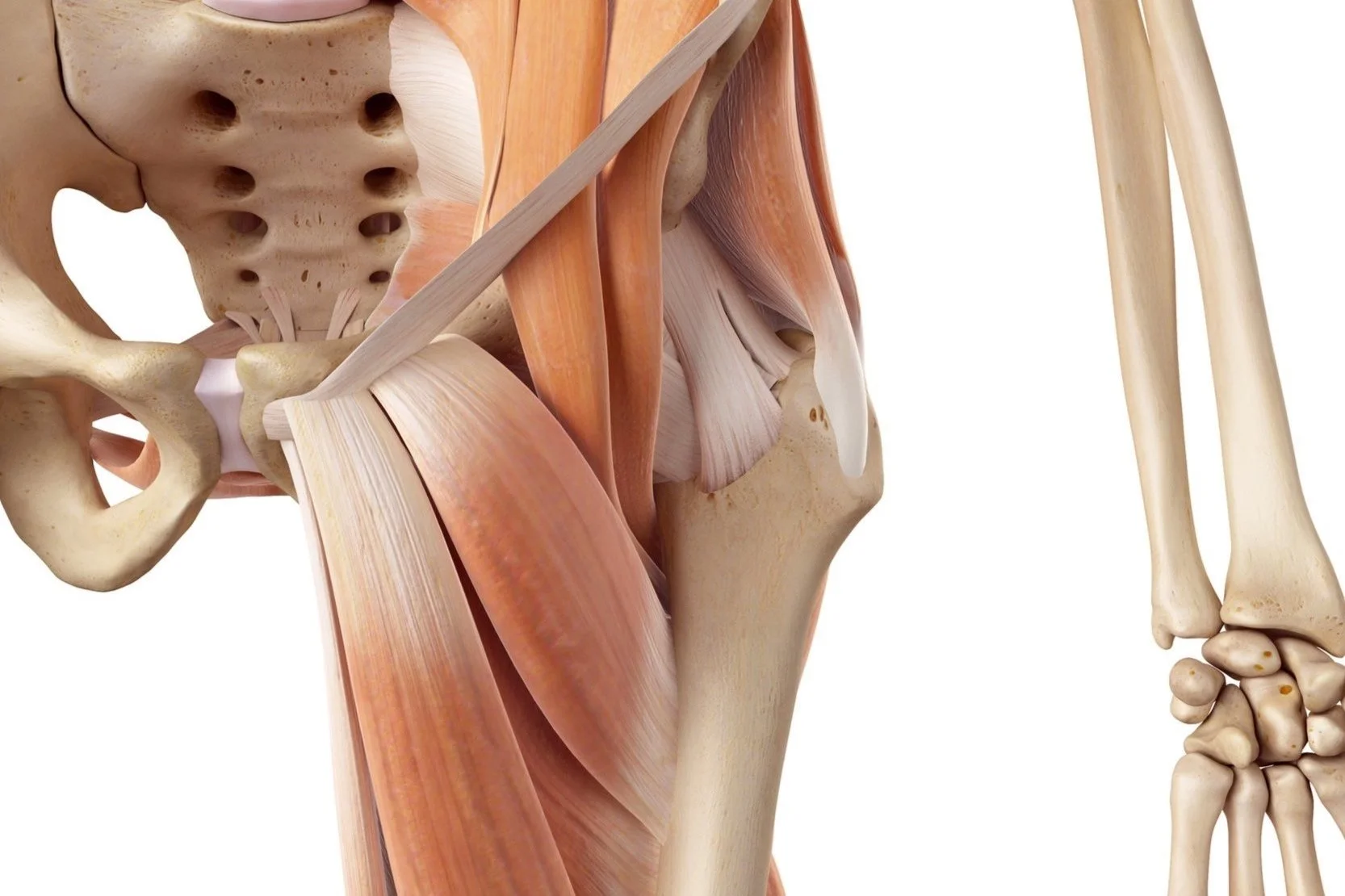
The hips play a large role in the coordination of movement. They affect how you walk, squat, run, and root into the ground. Their ability to carry you forward depends on a number of factors. Improving flexibility and strength can make you move with more ease and more control. We'll break down how the pelvis and hip are actually built to move, walk through a real case study, and dissect one exercise in detail so you can see the concepts in action.
Live class: Saturday, September 12 from 11:00AM-12:30PM PDT (recording will be available if you can’t attend live)
Session 3 — Where Is My Shoulder? (And other anatomical quandaries)
You use your shoulder every day to put things away, brush your teeth, and move the sofa from one end of the room to the other (or maybe that's just me?) Yet the shoulder is a poor, unfortunate joint, widely misunderstood and relegated to rotator cuff exercises and arm circles.
What happens when the arm circles stop working and your shoulder feels stiff, cranky, and generally unwilling to move easily?
In this 90 minute session, we will cover:
The anatomy and function of the shoulder that involves more than the glenohumeral joint
A case study based on an actual client of mine
An exercise breakdown from the perspective of the shoulder
A short exercise sequence so you can see how the concepts can be put into practice.
Session Date: Saturday, December 5, 2026 from 9:30AM-11:00AM PDT
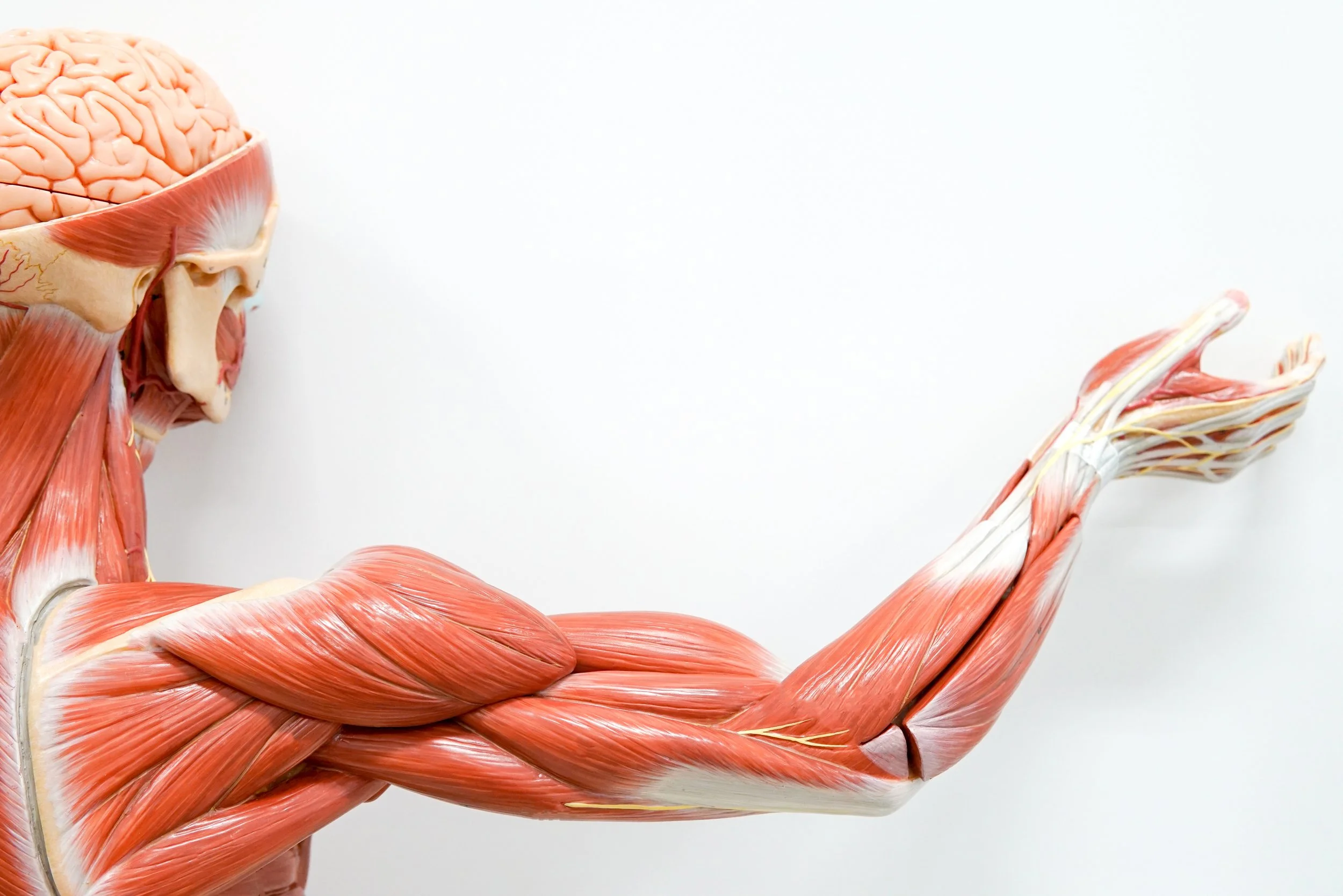
How the shoulder actually functions — and why the thoracic spine matters.
The shoulder gets blamed for a lot of problems that don't start in the shoulder. We'll look at how it's designed to move, how it interacts with the spine, including the role the thoracic spine plays in shoulder mobility that most training completely overlooks.
Live class: Saturday, September 22 from 11:00AM-12:30PM PDT (recording available if you are unable to attend live)
What You Get With Each Session
Live access to the 90-minute session (lecture + practice)
Extended replay access: watch again on your own schedule (access available for 6 months)
A companion PDF for that session's topic—yours to keep, reference, and revisit anytime
Pricing
Single Session 1 live session + replay + companion PDF $47
Full Series ( Best Value) All 3 sessions + replays + all 3 PDFs $127 (save $14)
PDF Only Companion PDF, no session access $19 each / $47 for all three*
*PDFs will be available after the session. If you are interested in purchasing just the PDFs, let me know and I will make sure I send you the information once they are available.
Can't make it live? No problem — every session is recorded, and the replay is yours to watch on your own time.

Includes the 3 mini-workshops:
The feet and their role in movement (livestream 9/5/2026 from 11:00AM-12:30PM PDT)
The hips don’t lie (livestream 9/12/2026 from 11:00AM-12:30PM PDT)
Where is my shoulder (livestream 9/19/2026 from 11:00AM-12:30PM PDT)
Mini-workshops will be recorded, so you don’t have to attend live. Mini-workshop format is lecture, case study, 30-minute practical application.
Who am I:
I am the anti-fitness movement professional with over 24 years helping clients regain strength, flexibility, body awareness, and confidence. I know how to create a movement experience that feels good and is still challenging; this mini-series is a taste of how to create that experience.
FAQ
Do I need to attend live? No. Every session is recorded and you'll have extended access to rewatch it. Live attendance just gives you the chance to ask questions in real time.
Is this eligible for continuing education credit? Not this series, but the material previews concepts that will be covered in-depth in my upcoming 20-hour CE course (launching early 2027), which will carry accreditation.
Can I buy sessions separately? Yes. Each session stands on its own, so you can start with the topic most relevant to you.
What if I already own [Spinal Intelligence / a previous workshop]? This series goes deeper into region-specific mechanics than the book covers, with live Q&A and guided practice — it's a strong next step, not a repeat.
Movement, Decoded · September 2026 · Live + Replay · Single sessions or full series