Books and Guides: Body, Mind, and Movement Education
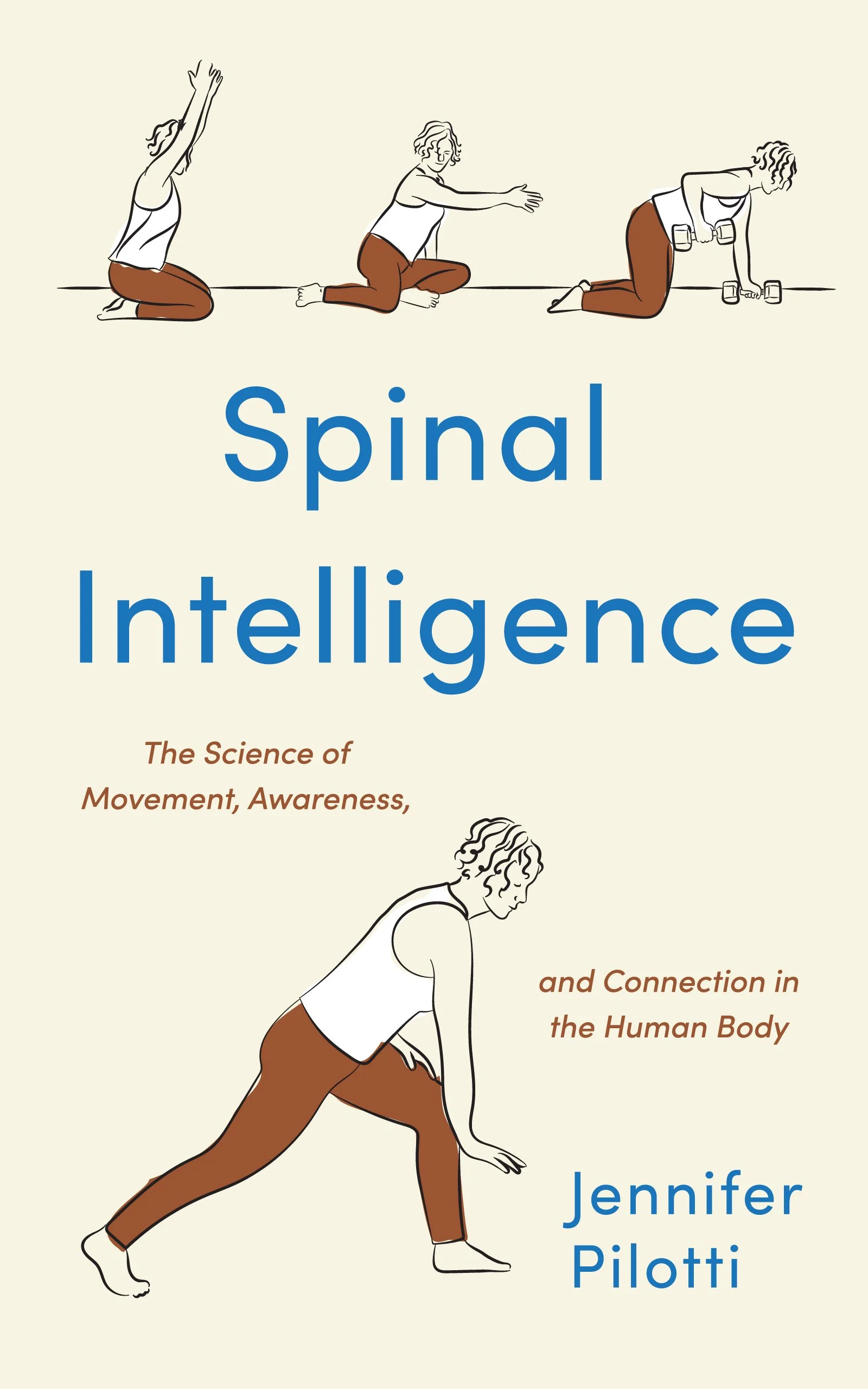
New Book! Spinal Intelligence: The Science of Movement, Awareness, and Connection in the Human Body
Available in Ebook & Paperback
Your spine is not a problem to be fixed. It's an intelligence to be cultivated.
For decades, we've been told to stabilize our cores, correct our posture, and protect our spines from movement. The result? More disconnection, more self-doubt, and a deep mistrust of our own bodies.
Spinal Intelligence offers a different way.
Drawing on movement science, stress physiology, and more than two decades of working with real people, Jenn reveals how the spine doesn't just support movement — it participates in it, initiates it, and responds to the full complexity of our lives.
Through accessible concepts and hands-on practices, you'll explore how stress, sleep, breath, and awareness all shape the way your body moves. You'll build what Jenn calls durability — not rigidity, but the capacity to absorb life's inevitable challenges and return to center.
This book is for anyone who wants to feel more connected to their body, move more freely, and finally come home to the center of themselves.
The spine isn't fragile. Neither are you.
Your spine is not a problem to be fixed. It's an intelligence to be cultivated.
For decades, we've been told to stabilize our cores, correct our posture, and protect our spines from movement. The result? More disconnection, more self-doubt, and a deep mistrust of our own bodies.
Spinal Intelligence offers a different way.
Drawing on movement science, stress physiology, and more than two decades of working with real people, Jenn reveals how the spine doesn't just support movement — it participates in it, initiates it, and responds to the full complexity of our lives.
Through accessible concepts and hands-on practices, you'll explore how stress, sleep, breath, and awareness all shape the way your body moves. You'll build what Jenn calls durability — not rigidity, but the capacity to absorb life's inevitable challenges and return to center.
This book is for anyone who wants to feel more connected to their body, move more freely, and finally come home to the center of themselves.
The spine isn't fragile. Neither are you.
More books by Jenn Pilotti
-
The Science of Movement, Exercise, and Mental Health
This book explores the science connecting movement and mental health, examining how exercise influences the nervous system and our ability to sense, feel, and perceive the world around us.
Drawing on Jenn’s extensive experience researching and teaching movement therapies, the book offers practical guidance for yoga and Tai Chi teachers, dancers, personal trainers, and therapists, with insights into language, exercise interventions, and programming. Covering aerobic exercise, resistance training, and restorative movement, it’s a valuable resource for practitioners looking for new ways to support their clients’ physical and emotional well-being.
-
Let Me Introduce You
How does movement occur? What are the fundamental principles that allow you to move through the world? What is input? Why are levers an important piece to understanding rotation?
Co-authored by movement expert Adarian Barr, this book is written for the curious mover, athlete, coach, or teacher. You will learn the key aspects to how movement occurs and will be inspired to look at movement through a different lens.
-
Body Mind Movement
An evidence-based approach to mindful movement explores the foundational concepts behind the science of learning, motor control, and body awareness. With case studies, exercises to illustrate the concepts, and opportunities for critical thinking, movement professionals will not only understand the science behind why techniques and modalities work, they will explore ways to implement the practical application of these concepts. Written for the curious movement professional who wants to enhance their ability to work with students of all ages and abilities.
Downloads, Workbooks & Journals - still need to figure out how to filter this section using Universal Filter.
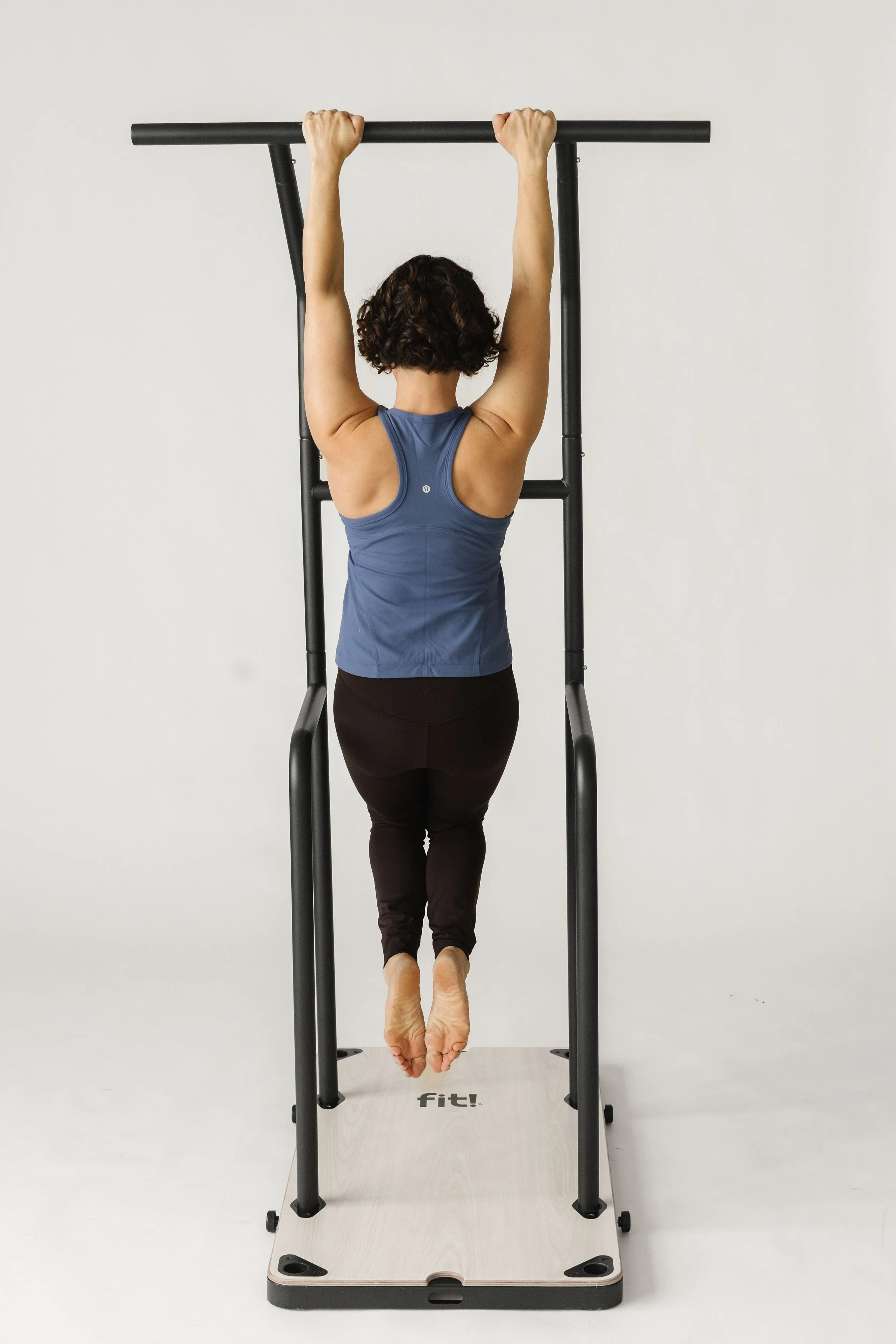
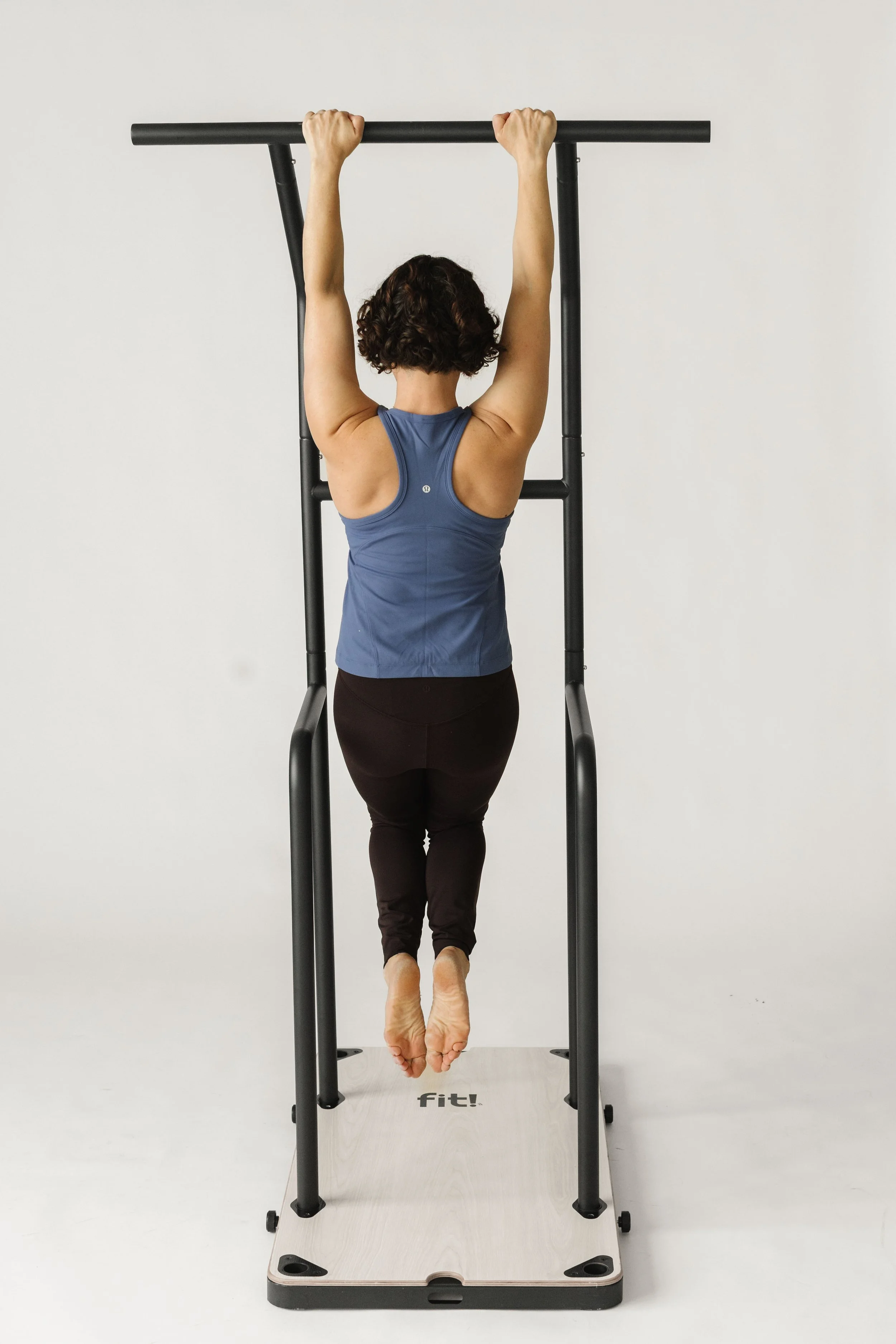
A 6-week live cohort for building real hanging and pulling strength — grip, shoulders, and the connection between them. Whether you're working toward your first pull-up or refining hanging skills for aerial, pole, or climbing, you'll build capacity through short, progressive doses and a stronger internal sense of what's happening in your shoulders and grip. Live sessions with recordings included, plus the full Strong, Supple Shoulders program as supplemental material.
$235 · 6 weeks, 45 minutes/week · Thursday, October 15 7:30AM-8:15AM PDT-Thursday, November 19
Movement, Decoded: The Feet
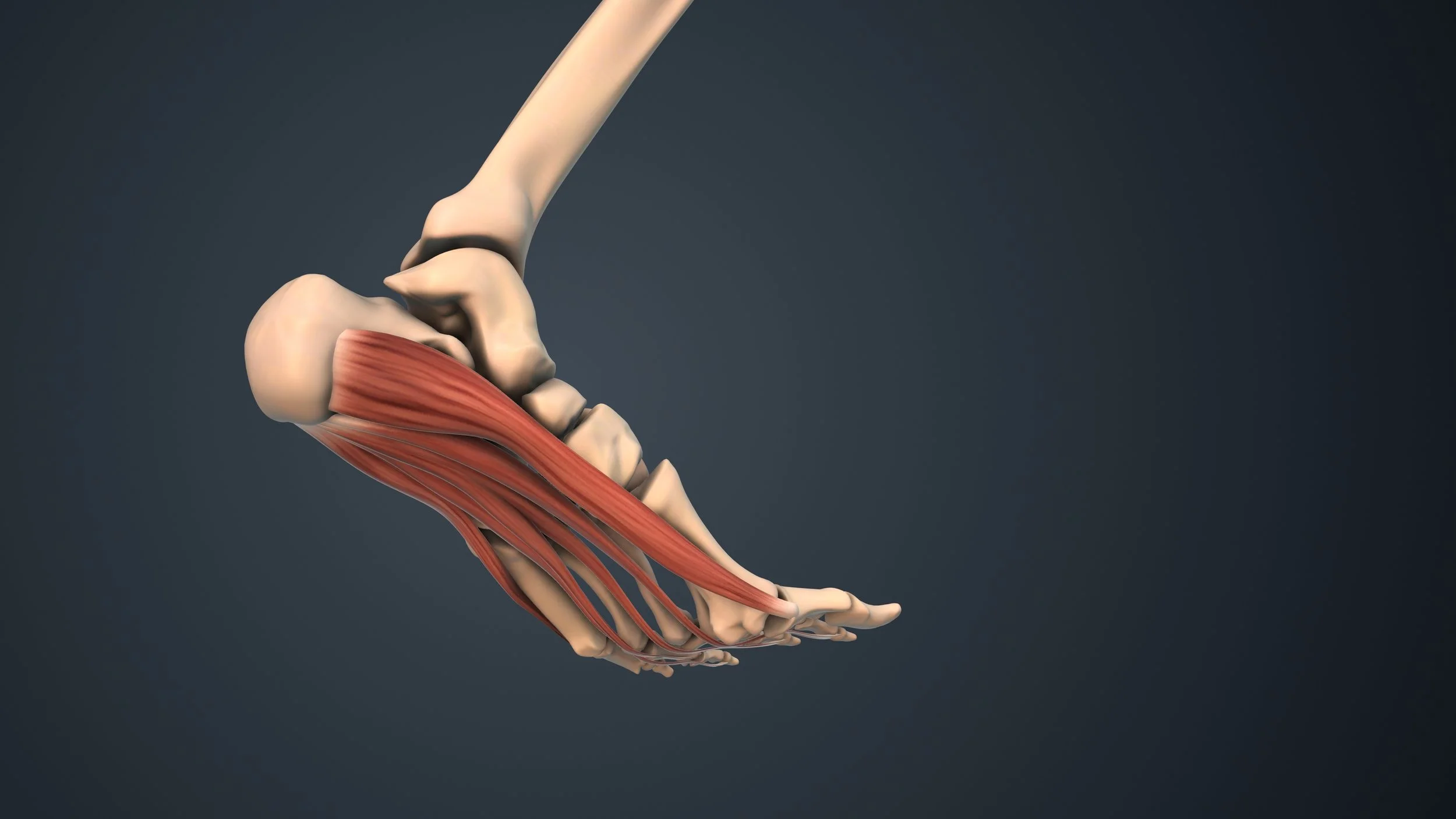
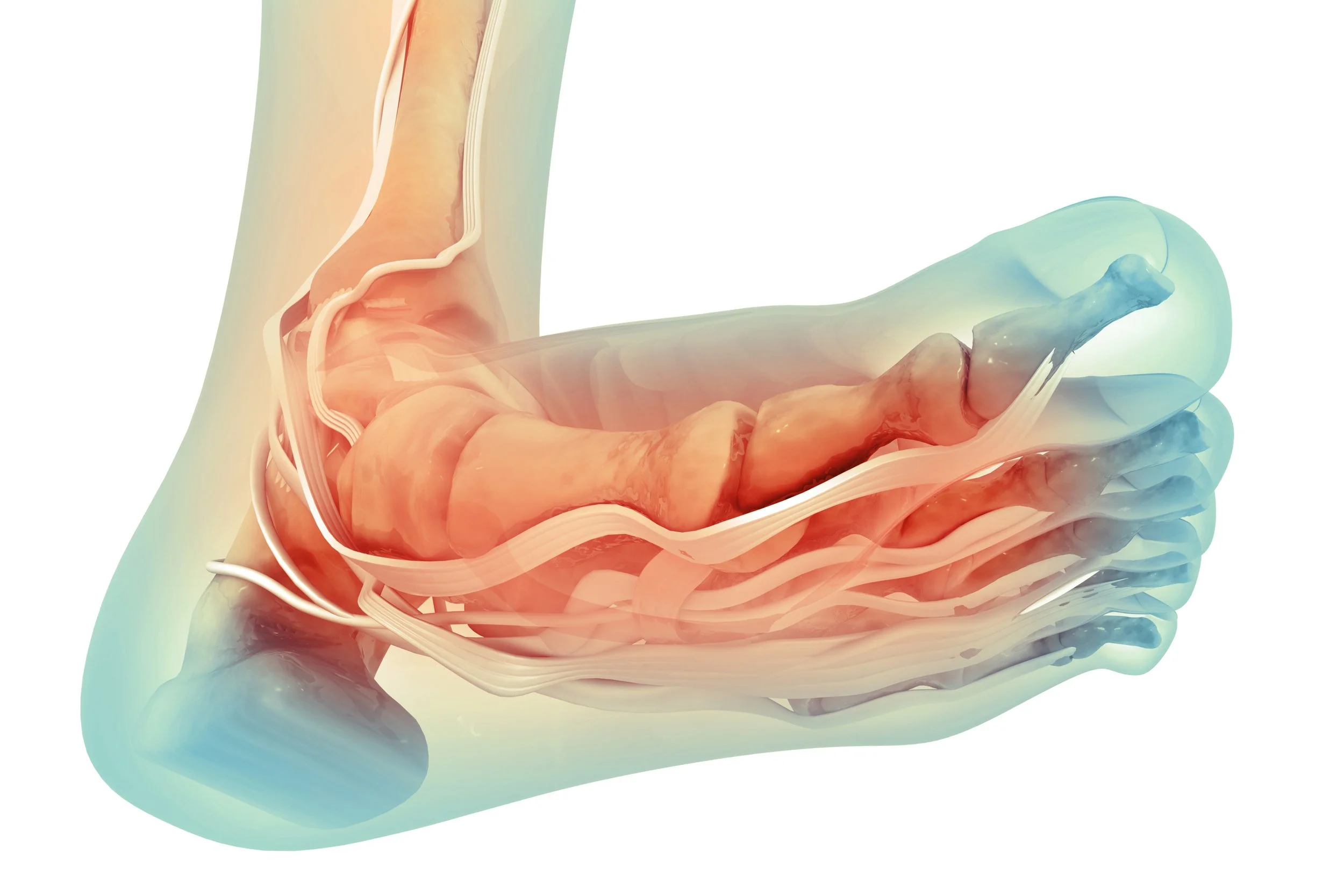
A companion guide for movement professionals who want to actually understand the foot — not another dysfunction checklist, but a clear look at how the arches, toes, and ankle work together to support, absorb, and propel you through movement.
Inside, you'll trace your own arches, feel the windlass mechanism at work, and learn why "should the feet turn out?" doesn't have one answer — it depends on whether you're sprinting, squatting, or standing on one leg. Along the way: the difference between Barbie toe flexion and soccer player flexion, why the shin (not the muscles) is usually the real story behind a stuck squat, and why your feet's asymmetry is probably serving you just fine.
Written as a standalone companion to the Movement, Decoded: The Feet masterclass, with anatomical illustrations throughout.
22 pages · $14.99
Includes the 3 mini-workshops:
The feet and their role in movement (livestream 9/5/2026 from 11:00AM-12:30PM PDT)
The hips don’t lie (livestream 9/12/2026 from 11:00AM-12:30PM PDT)
Where is my shoulder (livestream 9/19/2026 from 11:00AM-12:30PM PDT)
Mini-workshops will be recorded, so you don’t have to attend live. Mini-workshop format is lecture, case study, 30-minute practical application.
How the shoulder actually functions — and why the thoracic spine matters.
The shoulder gets blamed for a lot of problems that don't start in the shoulder. We'll look at how it's designed to move, how it interacts with the spine, including the role the thoracic spine plays in shoulder mobility that most training completely overlooks.
Live class: Saturday, September 22 from 11:00AM-12:30PM PDT (recording available if you are unable to attend live)
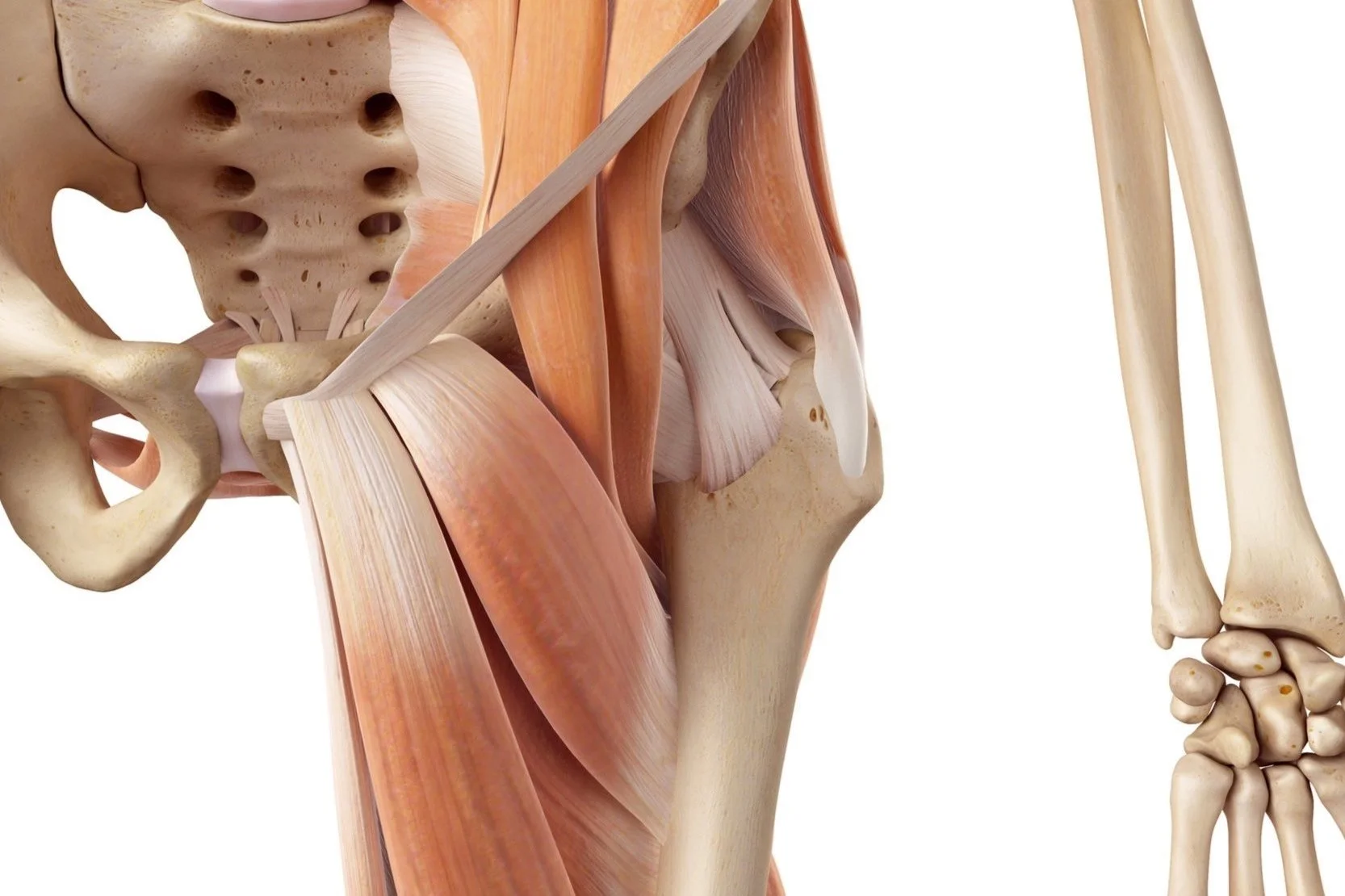
The hips play a large role in the coordination of movement. They affect how you walk, squat, run, and root into the ground. Their ability to carry you forward depends on a number of factors. Improving flexibility and strength can make you move with more ease and more control. We'll break down how the pelvis and hip are actually built to move, walk through a real case study, and dissect one exercise in detail so you can see the concepts in action.
Live class: Saturday, September 12 from 11:00AM-12:30PM PDT (recording will be available if you can’t attend live)
The feet are the most underestimated joint system in the body. We'll cover what they're actually built for, why the toes matter, and how the ankle's function echoes all the way up the chain. Incudes 22 page PDF Movement, Decoded: the feet
Date: October 3 from 11:00-12:30PDT (Recording available if you can’t attend live)
A five-module workbook built around a simple premise: you can't change what you can't feel. Drawing from the book, Body, Mind, Movement, it walks through breath, energy, and attention as tools for noticing what's actually happening in your body—not fixing it. Includes journal prompts and reflection exercises for each module.
Downloading this PDF automatically subscribes you to my e-mail list. You can unsubscribe at any time.
This 8 page PDF is for you if you are looking for ways to reconnect to your core. It’s a primer designed to complement the concepts in the book, Spinal Intelligence. It includes a short practice and an introduction to a different way to think about how you approach your core and your movement practice.
*Downloading this PDF adds you to my email list. You can unsubscribe at any time.
The Science of Cueing Masterclass + PDF is a 48 minute masterclass on the art of cueing and how it relates to coaching. You will learn:
What types of cues are commonly used in coaching
When different types of cues are most effective
How motor learning works and the role cueing plays in motor learning
Included is a short PDF that can be printed and used as a worksheet to learn and deepen your cueing practice in the context of coaching and motor learning.
The Spinal Intelligence book club is an interactive discussion of the book, Spinal Intelligence.
Led by Jenn Pilotti, the author, this 4 week livestream course will be held twice this fall: Tuesdays, starting 9/15/20216 from 7:30AM PDT to 8:30PDT and Tuesday, October, starting 10/20/2026 from 3:00-4:00PDT.
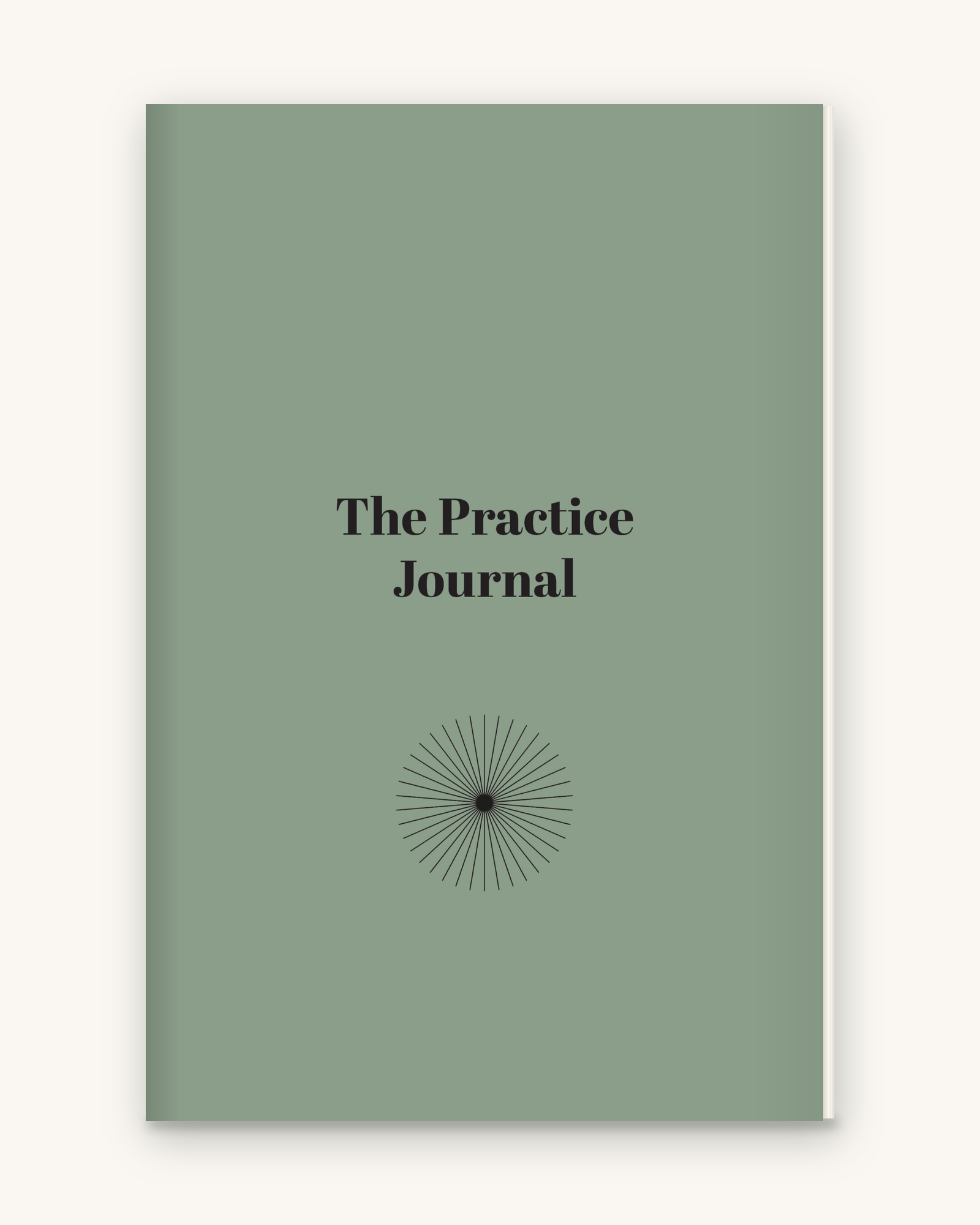
Most movement journals ask you to log what you did. This one asks how it felt, what you noticed, and what changed.
The Practice Journal is a 147-page guided journal organized around four monthly themes: Grounding, Center, Flow, and Energy. Each theme is designed to shift how you pay attention to the way your body moves and responds. Daily entry pages include mood and energy tracking, a Mindful Minute prompt, and a closing reflection, so practice becomes something you actually inhabit rather than just complete.
It works as a standalone 4-month practice, and it pairs directly with Spinal Intelligence for those who want the science behind the structure.
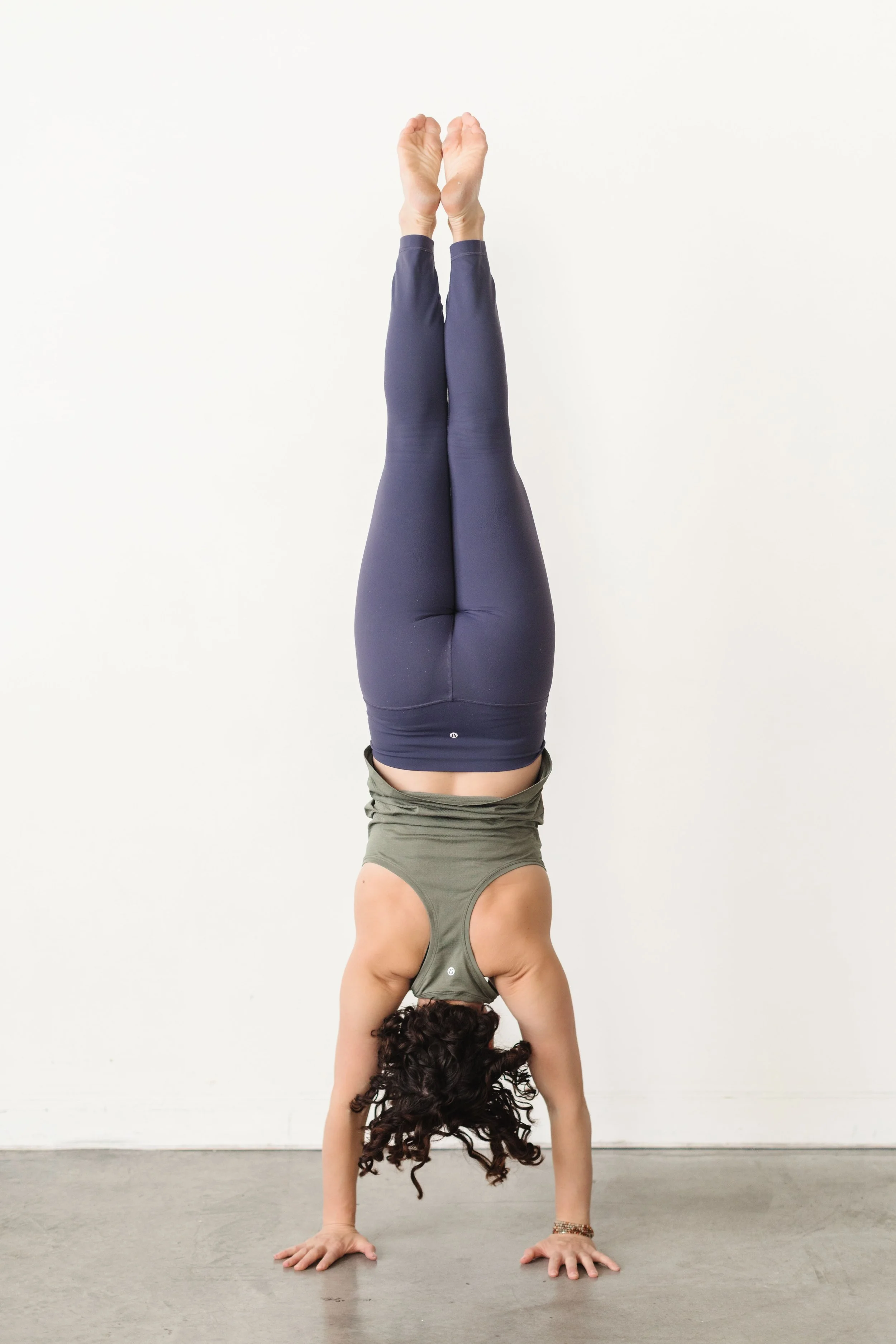
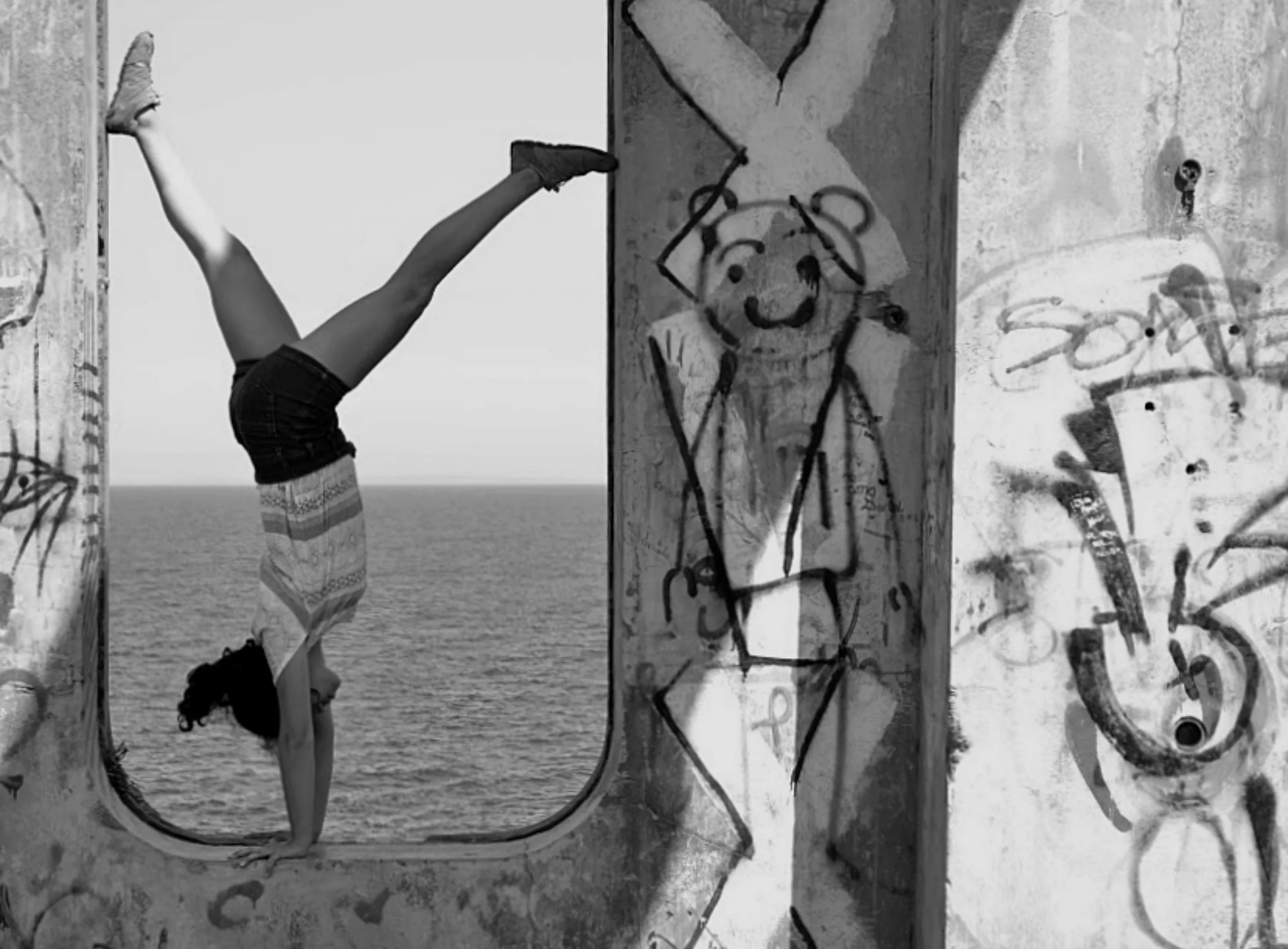
Getting Your First Handstand is a free guide that walks you through the biomechanics and nervous system principles behind a sustainable handstand practice—how your hands anchor, how your forearms and shoulders organize, how your torso and pelvis learn to trust the position—with nine short videos showing you each piece in your own body. It's the foundation Root to Rise builds on.
In this 30 minute class, you will be exposed to the ideas and concepts that make up the awareness portion of the book, Spinal Intelligence.
Your spine is not a problem to be fixed. It's an intelligence to be cultivated.
For decades, we've been told to stabilize our cores, correct our posture, and protect our spines from movement. The result? More disconnection, more self-doubt, and a deep mistrust of our own bodies.
Spinal Intelligence offers a different way.
Drawing on movement science, stress physiology, and more than two decades of working with real people, Jenn reveals how the spine doesn't just support movement — it participates in it, initiates it, and responds to the full complexity of our lives.
Through accessible concepts and hands-on practices, you'll explore how stress, sleep, breath, and awareness all shape the way your body moves. You'll build what Jenn calls durability — not rigidity, but the capacity to absorb life's inevitable challenges and return to center.
This book is for anyone who wants to feel more connected to their body, move more freely, and finally come home to the center of themselves.
The spine isn't fragile. Neither are you.
Your spine is not a problem to be fixed. It's an intelligence to be cultivated.
For decades, we've been told to stabilize our cores, correct our posture, and protect our spines from movement. The result? More disconnection, more self-doubt, and a deep mistrust of our own bodies.
Spinal Intelligence offers a different way.
Drawing on movement science, stress physiology, and more than two decades of working with real people, Jenn reveals how the spine doesn't just support movement — it participates in it, initiates it, and responds to the full complexity of our lives.
Through accessible concepts and hands-on practices, you'll explore how stress, sleep, breath, and awareness all shape the way your body moves. You'll build what Jenn calls durability — not rigidity, but the capacity to absorb life's inevitable challenges and return to center.
This book is for anyone who wants to feel more connected to their body, move more freely, and finally come home to the center of themselves.
The spine isn't fragile. Neither are you.
Submit your video
Jenn reviews it
Receive a private link to your video assessment.
Video assessment includes:
20–25 minute personal video assessment
Clear explanation of root cause analysis, not just surface observations
3 targeted exercises with explanation of why each applies to you
Suggested practice sequence or progression
Private link, no expiration
Ideal for a stubborn pattern you've been trying to solve for a while
Submit your video
Jenn reviews it
Receive a private link to your personal assessment
What you receive in your assessment:
Jenn's observations on your movement pattern
2 curated exercise recommendations
Private link, no expirations
Ideal for a single focused question you want answered
10–12 minute personal video assessment
Root to Rise, a mind-body approach to handstands, is Jenn’s signature approach to learning handstands—thoughtful, progressive, and with opportunity to connect and explore. It’s once a week for 6 weeks (recordings will be posted and available for a year). There are two cohorts this year:
Thursday, July 2 to Thursday, August 6 from 9:30AM PDT-10:30AM PDT
Thursday, October 15 to Thursday, November 19 from 2:00PM PDT-3:00PM PDT.
Free PDF Download
A minimal, repeatable strength training template designed to help you build real-world strength without overthinking form or complexity.
This PDF includes a short, balanced strength program with flexible set and rep ranges, along with simple guidance to help you focus on consistency, awareness, and gradual progress over time. It’s suitable for anyone who wants to feel stronger and more capable in daily life—without rigid rules or complicated routines.
Downloading this template will also subscribe you to my newsletter. You’re welcome to unsubscribe at any time.
In this 60 minute masterclass, Jenn explains what skill is, how to approach skill development versus general fitness, and how your words influence actions and perception of action. Exercise examples and practical explorations are given throughout to explore the concepts.
This 11 page PDF explains the role the pelvis plays in flexibility.
You will learn:
The pelvic floor’s role in movement and flexibility
The role the pelvis plays in creating space
How to unlock the pelvic floor to create more range of motion
MIND MEETS BODY: THE PROGRAM
How do you connect the mind to the body? Moving, of course, connects the mind and the body, but are you using movement as a way to foster the mind/body connection or are you using movement as a way to strengthen/stretch/work your body without using basic principles of mindfulness and learning?
The Mind Meets Body program is a way to develop a mind body connection using the concepts of focused attention, open monitoring, and thoughtful input to help you connect with all aspects of you. Jenn uses concepts from three of her books to help you develop awareness, efficiency, and coordination. The warm-ups focus on different areas, giving you an opportunity to tap into your spine, hips, hands, or balance.
The 12 exercises have 3 or 4 variations with different points of attention, allowing you to begin to actually experience different aspects of the movement to facilitate learning.
If you are interested in exploring a deeper awareness to movement, including both standard exercises like push-ups and single leg squats and less conventional movements like locomotion and hanging, this program is for you.*
This program promotes autonomy and learning and is designed to give you confidence, coordination, and a deeper mind-body connection through a consistent movement practice.
You should have the ability to put weight on your hands and comfortably be able to get up and down off the floor. This is a beginner/intermediate program.
You will receive a downloadable PDF with information about the concepts, 4 guided warm-ups, and 12 exercises clearly laid out with 3-4 variations of each exercise. Links to the video tutorials are in the PDF.
Recommended equipment:
Weights (dumbbells, kettlebells, or a sandbag
A pull-up bar or something you can hang from
A light ball
A a firm, slightly elevated surface (a 2x4 from the hardware store works well)
A wall or pole
*If you purchased the Choose Your Own Movement Adventure program, this program will be included in the update next year, so no need to purchase this separately.
Jenn Pilotti is a seasoned movement educator and author with over 20 years of experience helping people reconnect with their bodies.
With degrees in exercise science and human movement, her work draws from neuroscience, biomechanics, somatics, and motor learning. Jenn blends modalities like yoga, strength training, dance, and parkour into a thoughtful, research-informed approach to movement. Her books reflect this holistic philosophy, offering practical insights for movement professionals, educators, and anyone curious about how we move through the world.
If you hang from a bar, rings, aerial fabric, or a lyra — and it feels more like your shoulders are being pulled apart than supported — this one's for you.
Join Jenn for a free masterclass on the mechanics of hanging. You'll learn:
Why the way your hand wraps around the bar matters
How to coordinate the upper arm, forearm, hand, and shoulder so your arms feel stable, not strained
The role of the spine in making hanging feel lighter
Why foot progressions are one of the best ways to build hanging capacity
[Date/time here]
Can't make it live? The recording will be up for 48 hours.
Oh, and the cost?
It's free!
Register here.
*By registering, you are agreeing to be added to my newsletter list. You can unsubscribe at any time.